


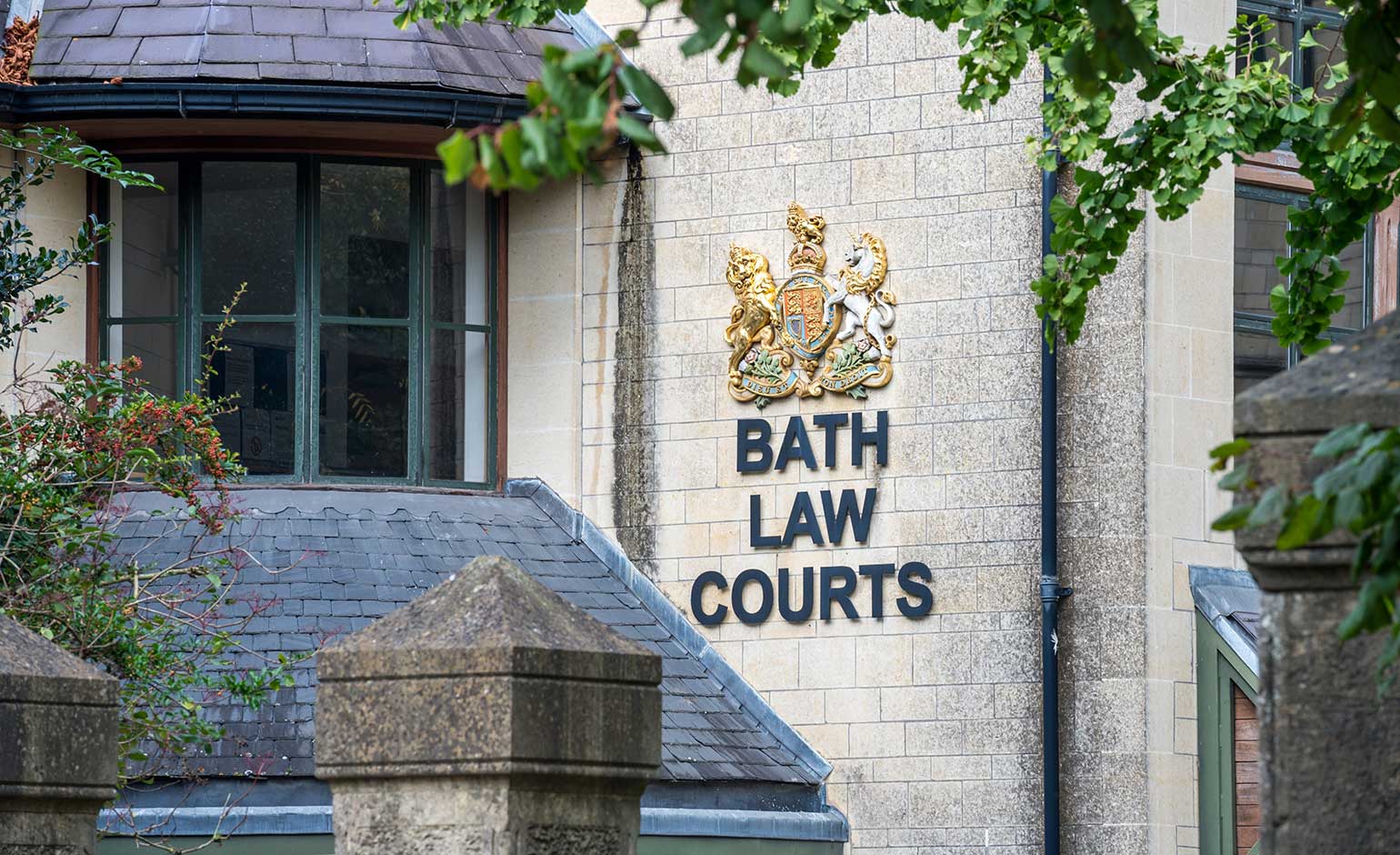
Two teenagers accused of being part of a balaclava-clad group that beat up a boy have had the charges against them dismissed at a youth court in Bath this week.
Three other boys have previously been sentenced for their roles in the attack, which happened at a house in Radstock on 23rd December 2024.
The victim was taken to the Royal United Hospital in Bath following the assault, suffering from blurred vision.
Reporting restrictions prevent us from naming any of the children or giving information that might identify them.
Two 16-year-old boys, one from Radstock and one from Peasedown St John, had been due to go on trial on Monday 16th February after denying any involvement.
But the charges they were facing of assault causing actual bodily harm (ABH) were dismissed after the Crown Prosecution Service (CPS) was unable to offer evidence.
Last September, a 14-year-old from the Frome area, who was 13 at the time of the attack in December 2024, admitted assault causing ABH and was given a 10-month referral order by the youth court. Magistrates also ordered that £200 compensation be paid to the victim.
At that hearing, a video taken on a mobile phone of the attack was shown in court, as well as doorbell footage of the group arriving and leaving the house in Radstock where it took place.
It was said that before the attack, the victim received threats of violence via a social media app due to him talking to the ex-girlfriend of one of the group members.
Last August, in the youth court, a 15-year-old boy from the Peasedown St John area admitted causing the victim ABH on 23rd December 2024 and a further assault by beating him on 12th February 2025.
Magistrates made two 12-month referral orders, to run concurrently, and ordered compensation of £300 to the victim.
A 14-year-old boy from Peasedown St John, who was 13 at the time of the attack in December 2024, also pleaded guilty to causing ABH when he appeared in the youth court last August. He received a six-month referral order and magistrates ordered that £75 compensation be paid to the victim.
A referral order is a way of dealing with young people aged between 10 and 17 who have appeared in court for the first time and pleaded guilty to the offence.
It aims to prevent re-offending by making sure the young person is made aware of the impact and consequences of their criminal activity. It gives the young person a ‘second chance’ of a non-criminal future, provided the Youth Offender Panel agrees that they have kept to the terms of their contract.