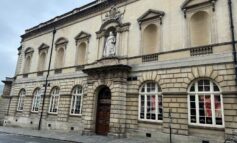


Proposals which would see Bath and North East Somerset at the forefront of efforts to help end period poverty have been agreed at a full meeting of B&NES Council.

The proposals, put forward by the B&NES Labour Group, would see an emphasis on the provision of reusable products such as menstrual cups and washable pads alongside access to plastic-free disposable sanitary products to those experiencing period poverty.
The agreement follows an announcement by the Government that it will fund free sanitary products in all secondary schools and colleges in England.
Research by girls’ rights charity Plan International UK found that periods are surrounded by shame and stigma. 48% of girls feel embarrassed by their periods rising to 56% of 14 years olds.
When it comes to period poverty, one in ten girls are unable to afford sanitary products and a similar proportion have had to improvise sanitary wear, using for example toilet paper and Sellotape to manage their periods.
B&NES Labour Group’s spokesperson for Young People, Cllr Liz Hardman (Labour, Paulton) welcomed the commitment from the Chancellor of the Exchequer in his Spring Statement to provide free sanitary products in all secondary schools in England.
She said: “There is a growing body of evidence that girls are missing out on education because they can’t afford sanitary products. It cannot be right that in 21st Century Britain, teenagers are forced to improvise sanitary wear by using toilet paper or rolled up socks.
“There is so much stigma surrounding periods, and for girls not to have access to the products they need only adds to their sense of embarrassment and shame.
“It is time for councillors to take the lead in addressing this issue which has been hidden away for far too long.
“Climate change and ocean plastic are rightly of huge concern to people. Many people will be shocked to learn that some disposable products contain the equivalent of four carrier bags of plastic which takes centuries to biodegrade.
“Our motion would lead to a pilot scheme which would test the feasibility of providing all girls with a choice of reusable products including menstrual cups and washable pads along with the advice needed to start using them.
“Reusable products address environmental concerns but also have built into them the means of addressing period poverty in the long term.
“It will be important to ensure that girls and women have a choice through the provision of plastic-free disposable alternatives.”